- +256707732000
- [email protected]
- Mon-Sat: 9am - 5pm

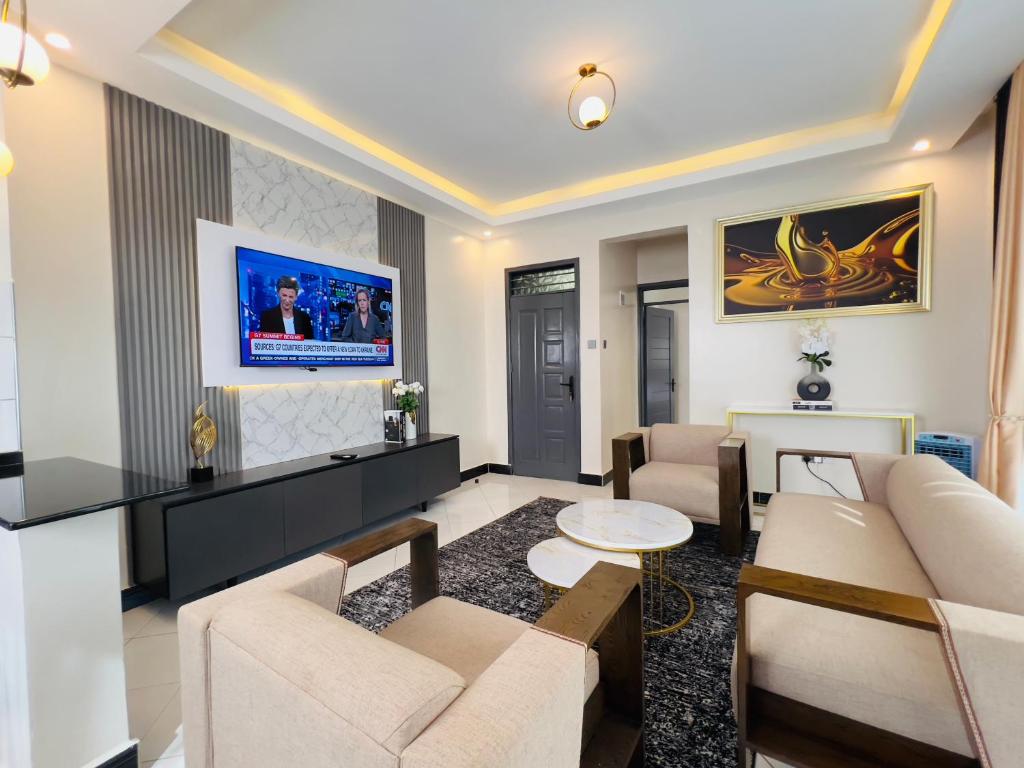
The purchase price of an apartment is only part of the real, ongoing cost of owning one. Condominium living in Kampala typically comes with a monthly or quarterly service charge, and many first-time buyers only fully understand what it covers — and how it’s calculated — after they’ve already moved in. Asking the right questions about service charges before you buy can save real disagreement and budgeting surprises later.
A service charge generally funds the maintenance of common areas and shared infrastructure: lobby and corridor cleaning, lift servicing, generator fuel and maintenance for backup power, security staffing and equipment, swimming pool upkeep, landscaping, and the management or caretaking staff who oversee the property day to day. It does not typically cover repairs or maintenance inside your own unit, which remains the individual owner’s responsibility unless a separate agreement states otherwise.
Most Kampala condominium developments calculate service charges either as a rate per square metre of unit size, or as an equal split across all units regardless of size, depending on how the condominium’s management rules were set up. This matters when comparing two units of different sizes in the same development, or comparing developments against each other — a lower headline service charge on one project may reflect a smaller shared amenity offering rather than better value. Ask specifically how the charge is calculated, not just what the current monthly figure is.
A common source of dispute in shared properties is when new services — additional security measures, upgraded landscaping, an expanded amenity — get added after initial owners have moved in, sometimes increasing charges without every owner feeling they agreed to the change. Understanding the development’s management structure, including how decisions about new spending are made and whether an owners’ association or management committee has a formal say, gives a clearer picture of how charges might change over time.
Beyond day-to-day running costs, well-managed condominiums set aside a portion of service charges into a reserve or sinking fund for larger, less frequent expenses — repainting the exterior, replacing a generator, major lift servicing. Developments without this kind of reserve sometimes need to raise an unexpected special levy on owners when a major cost arises, which can be a far larger one-off expense than a gradually built reserve fund would have required. Asking whether a reserve fund exists, and how it’s funded, is a useful question before buying into any development.
The current monthly service charge tells you what you’d pay today, but not whether it’s likely to rise significantly, or whether it has already increased sharply in recent years due to underestimated costs at launch. Asking for a short history of how the charge has changed since the development was completed — and understanding why any increases happened — gives a much more realistic sense of what to budget for over the years you own the unit, not just at move-in.
At Mint Homes Ltd, we believe buyers should understand the full ongoing cost of ownership, not just the purchase price, before committing to a unit. Our sales team can walk you through exactly what’s included in the service charge for any of our developments — from Garden Towers to Kisaasi Heights and Kendal Villas — along with how charges are calculated and what’s planned for the future. Reach out to schedule a viewing and a full breakdown of ongoing costs.
Q: Does the service charge cover repairs inside my own apartment?
A: Generally, no. Service charges fund shared spaces and systems like security, lifts, power backup, and common area maintenance. Repairs and upkeep inside your own unit are typically the individual owner’s responsibility.
Q: Why do two similarly priced apartments sometimes have very different service charges?
A: It usually comes down to what’s included — a development with more shared amenities, larger common areas, or more extensive security typically has a higher service charge, even if the purchase price is similar to a development with fewer shared facilities.
Q: What is a sinking or reserve fund, and why does it matter?
A: It’s money set aside from service charges specifically for large, infrequent expenses like repainting or major equipment replacement. Developments without one may need to raise a sudden special levy on owners when a big cost comes up unexpectedly.
Q: Can service charges increase after I buy my unit?
A: Yes, service charges can rise over time as running costs increase or new services are added. Reviewing the charge history and understanding the development’s decision-making process before buying gives a more realistic picture of future costs.
Q: What happens if I don’t pay my service charge on time?
A: This varies by development, but most have penalty clauses for late payment, and persistent non-payment can affect access to shared amenities or lead to legal recovery action. It’s worth asking about the specific policy before buying.